NEEDFINDING
We started by conducting user research to identify and understand common pain points.
Slides PDF Empathy Map
BudgBuds help individuals create and maintain both individual and group budgets
(that consider each member’s constraints) by leveraging social interactions and accountability.
Our mobile app is designed to be comprehensive, yet intuitive to use, and encourages
social engagement to reach budgeting goals.
Mission Statement: To remove obstacles hindering individuals from maintaining their budgets.
Problem: People who regularly spend in social groups are often unable to regulate their expenses and give in to social pressure.
Solution: An app supplemented by social accountability, for these groups to collectively budget for activities that require communal spending, while factoring in individual financial means.
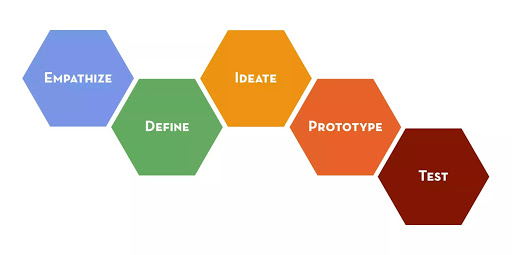
We followed the design thinking approach to understand user problems, develop potential solutions, and create prototypes to refine our selected approach - the following is a step-by-step guide to our design process, which resulted in a high-fi prototype for BudgBuds.
We started by conducting user research to identify and understand common pain points.
Slides PDF Empathy Map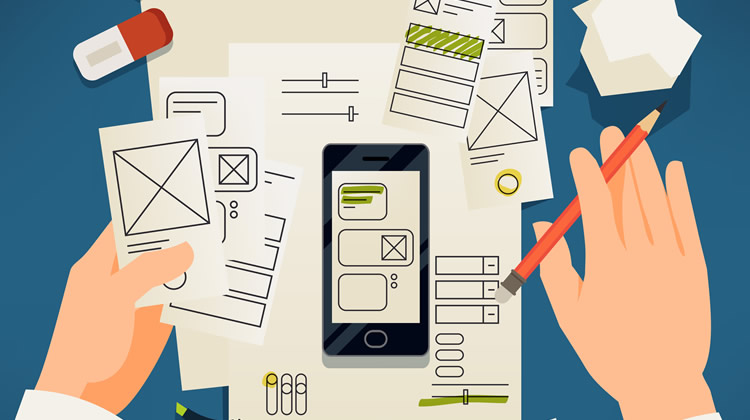
After defining problem statements with the POV framework, we started brainstorming viable solutions.
Slides PDF POV's/HMW's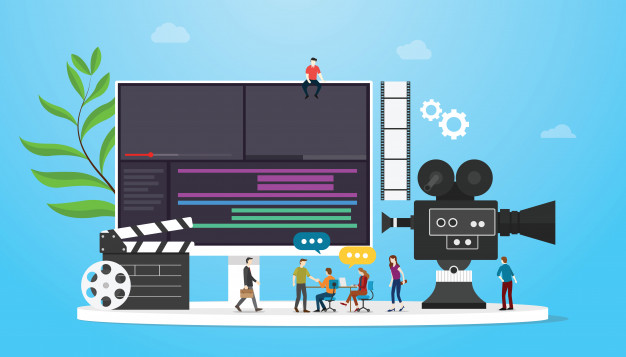
We defined common tasks our users face and conveyed how our solution can play a role in their tasks.
Slides PDF Video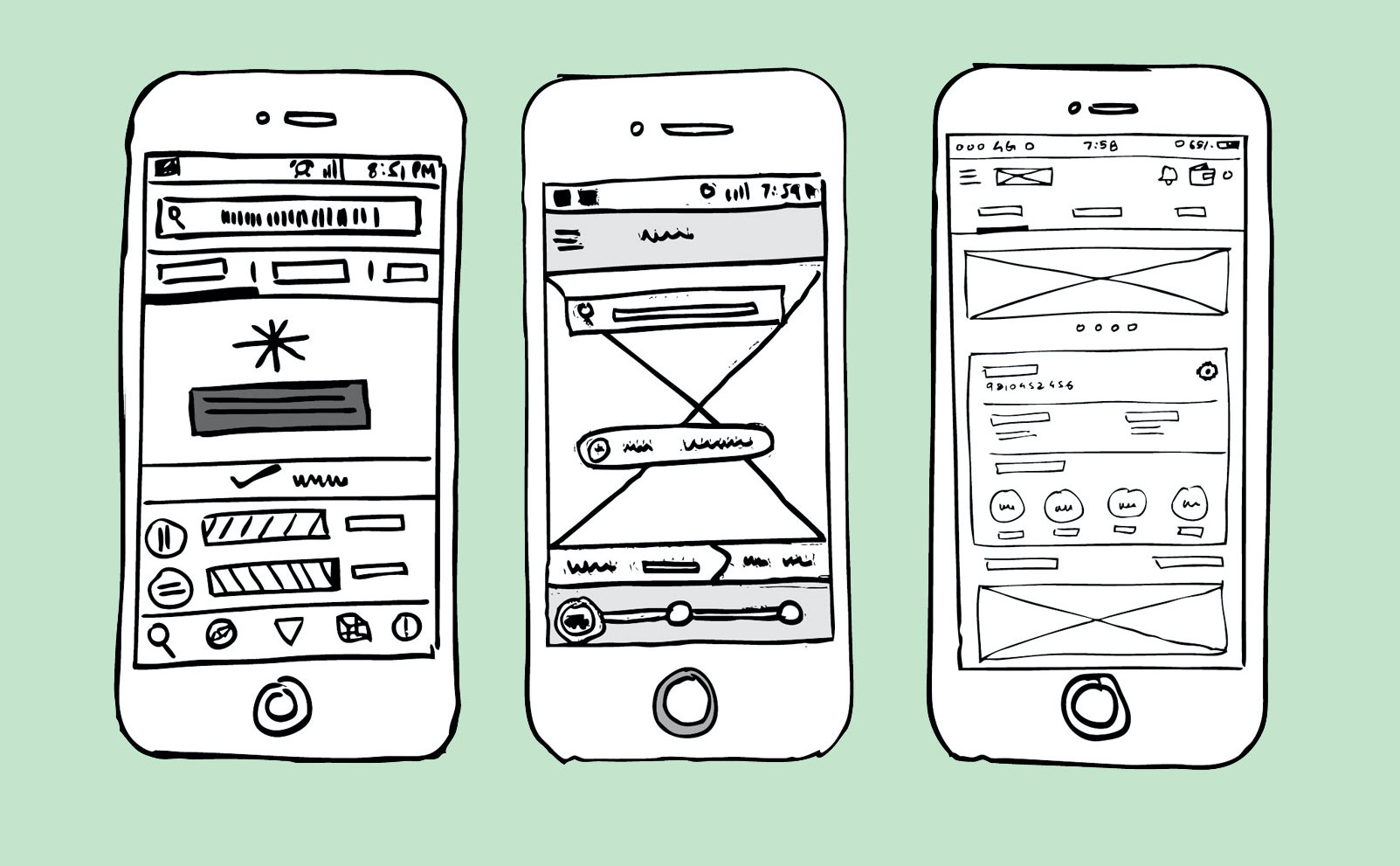
We developed low-fi prototypes (sketches) and tested them with potential users.
Slides PDF Report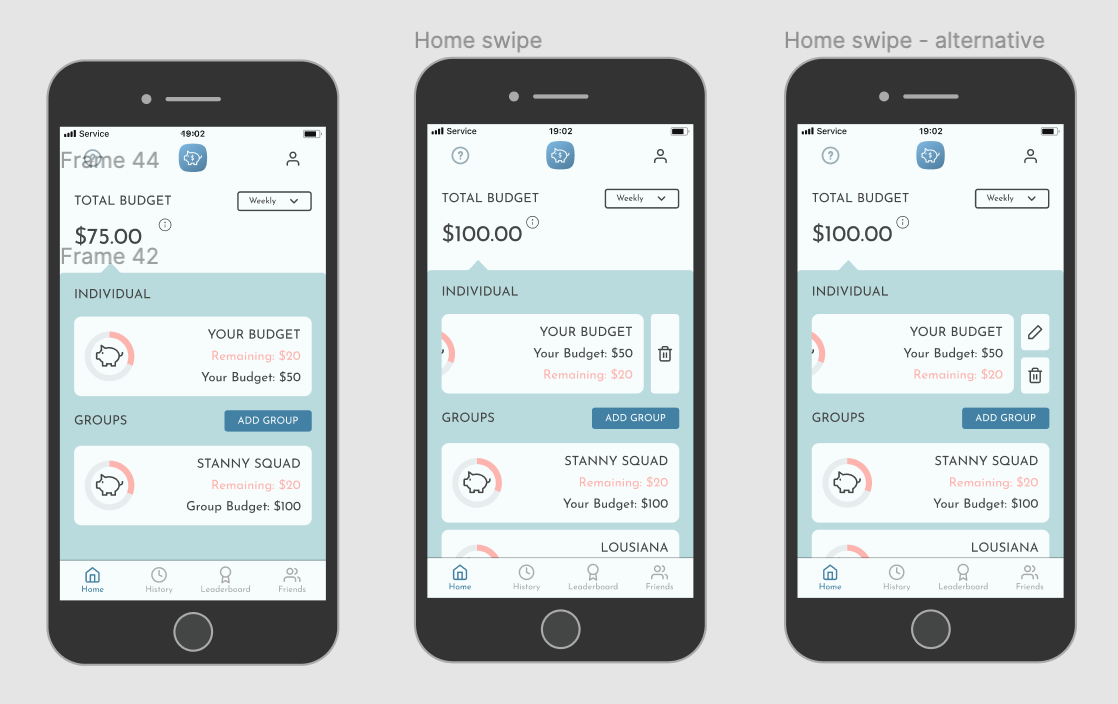
Next, we built upon our low-fi prototype to develop a medium-fi prototype on Figma.
Slides Prototype README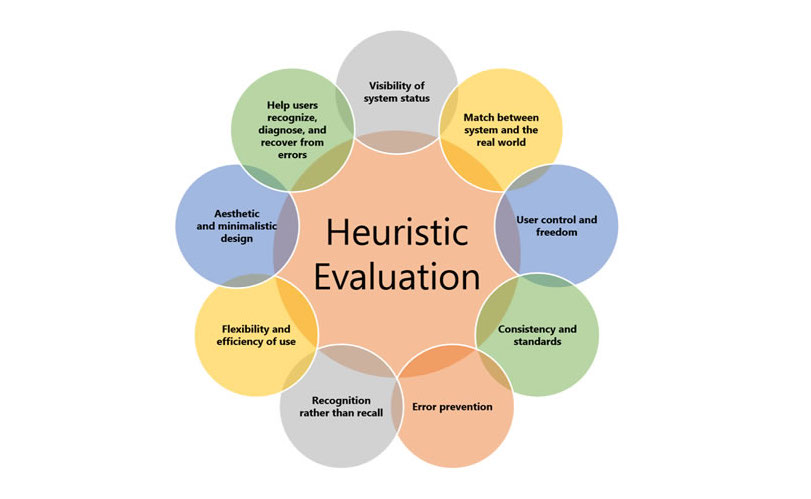
A team of expert evaluators assessed our medium-fi prototype based on Nielsen's 10 Usability Heuristics.
Evaluation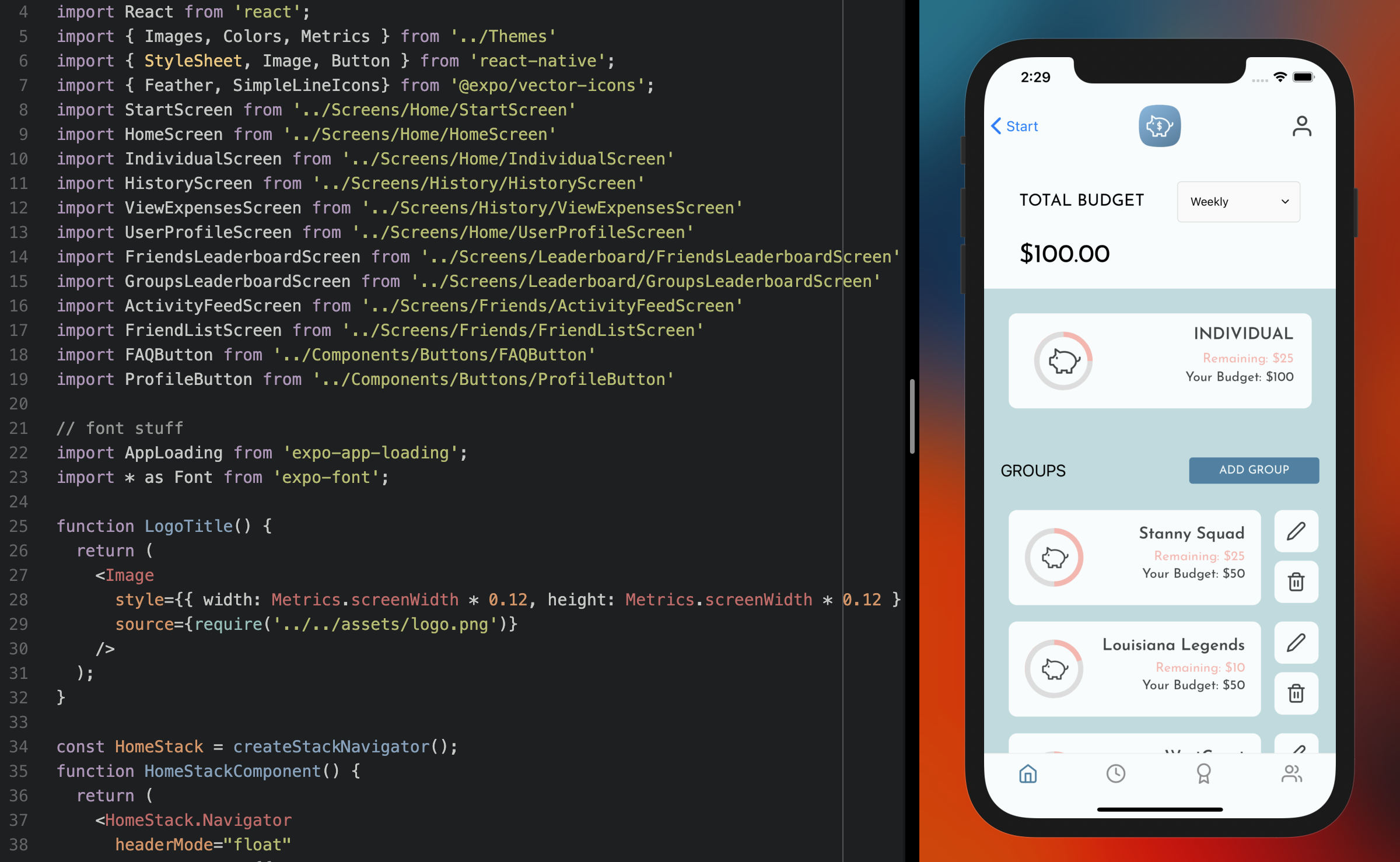
Finally, we developed a high-fi prototype to better convey our intended design / solution.
Slides Prototype Report
Get an overview of our mobile app by reading our poster and pitch!
Poster Pitch
We started by conducting user research to identify and understand common pain points around the theme of "life after lockdown".
After conducting 7 user interviews, we summarized our findings in empathy maps and derived sub-themes to focus on.
Our four sub-themes related to "life after lockdown" include:
1. Motivation
2. Social Interaction
3. Financial Habits
4. Work-Life Balance
After defining problem statements with the POV framework, we started brainstorming viable solutions by utilizing How Might We's and testing the riskiest assumptions with focused prototypes.
We defined three sets of common tasks our users face, and used these tasks to develop a concept video with the goal of showcasing how our solution can play a role in helping users with their tasks.
Simple Task: Create an individual budget.
Medium Task: Create a group budget whilst taking into account everyone's individual preferences.
Complex Task: Give encouragement to a friend to stick to their budget.
Next, we took into consideration the high-level feedback we received, and built upon our low-fi prototype to develop a medium-fi prototype on Figma.
A team of expert evaluators assessed our medium-fi prototype based on Nielsen's 10 Usability Heuristics; they scanned for violations and gave recommendations for us to consider when building our high-fi prototype.
Finally, we developed a high-fi prototype programmed using React Native to better convey our intended design / solution. Try out our final prototype using the following link to learn more about our proposed solution!

Junior - BMC
Junior - CS

Masters - MS&E

Junior - CS