Tim Althoff
University of Washington
Language models as temporary training wheels to facilitate learning
October 18, 2024
While language model (LM) assistants can provide valuable support, there is a risk that they may inadvertently do the thinking for us, leading to dependence and hindering the development of essential skills. This reliance can prevent individuals from fully engaging in the learning process, ultimately stifling critical thinking, problem-solving, and social skills.
In this talk, I will describe how human-AI collaboration, critically enabled by language models, can facilitate learning of essential social and communication skills. Language models have the potential to act as temporary training wheels providing immediate support and guidance. This approach emphasizes the importance of using these tools as initial aids rather than long-term crutches. By offering structured assistance, practice, and feedback, language models can help individuals and professionals learn skills, such as cognitive reframing, emotional regulation, and conflict resolution. However, the ultimate goal is for individuals to gradually transition away from dependence on these models, fostering sustained skill development and long-term well-being. This talk will describe how language models can be developed towards these aims and evaluate their effectiveness across multiple randomized trials and real-world deployments with over 150,000 participants.
|
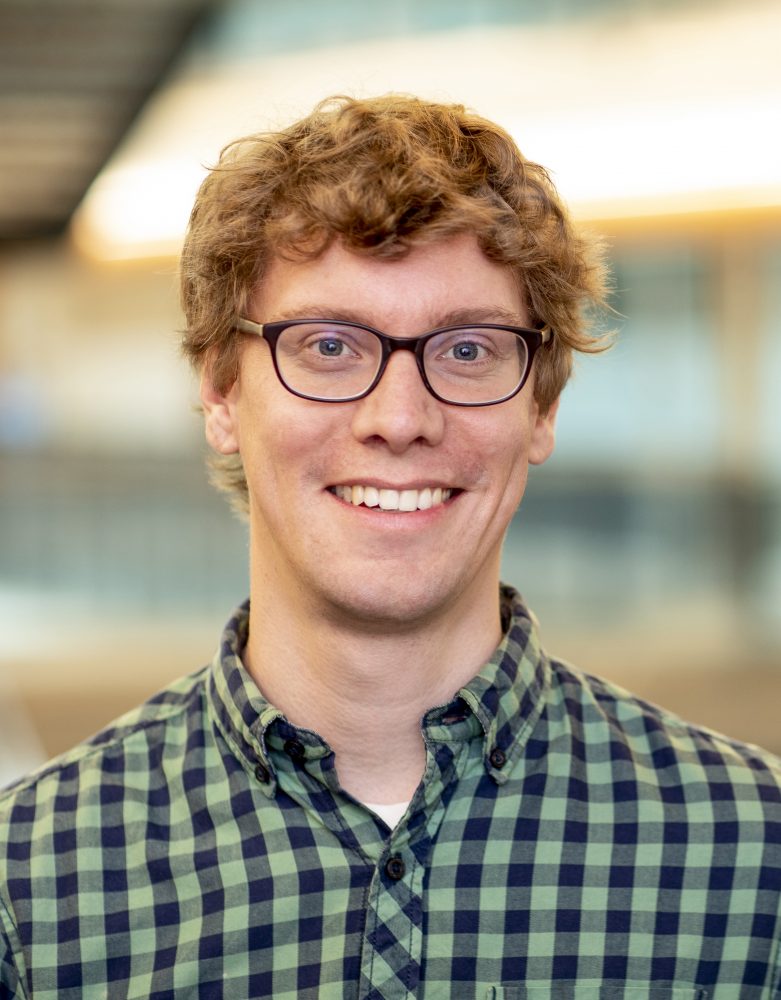
Tim Althoff is an associate professor in the Allen School of Computer Science & Engineering at the University of Washington. Tim’s research seeks to better understand and empower people through data and computation. His AI research has directly improved mental health services utilized by over ten million people and informed federal policy. Tim holds a Ph.D. degree from the Computer Science Department at Stanford University. His work has received various awards including WWW, 2x ICWSM, ACL, UbiComp, and IMIA Best Paper Awards, the SIGKDD Dissertation Award 2019, and an NSF CAREER Award. Tim's research has been covered internationally by news outlets including BBC, CNN, The Economist, The Wall Street Journal, and The New York Times. |
|