BJ Fogg
Sun Microsystems and Stanford University
Persuasive Computers: Examples, perspectives, and research directions
May 8, 1998
The study of computers as persuasive technologies ("captology")
has developed over the last few years at Stanford. In exploring
this domain, I've found that computers can change attitudes and
behaviors by functioning in three ways as persuasive tools, media,
and social actors (a framework I call the "functional triad").
Various examples of persuasive computing already exist, and many
more--both good and bad--will likely emerge as computing technology
becomes increasingly pervasive. To be sure, the Internet opens
up new possibilities for persuasive technologies, not just by
providing information persuasively but also by creating persuasive
experiences. To achieve the potentials of persuasive computing
and to avoid the pitfalls, I outline key directions for research;
this includes an ongoing inquiry into the ethics of persuasive
technologies.
|
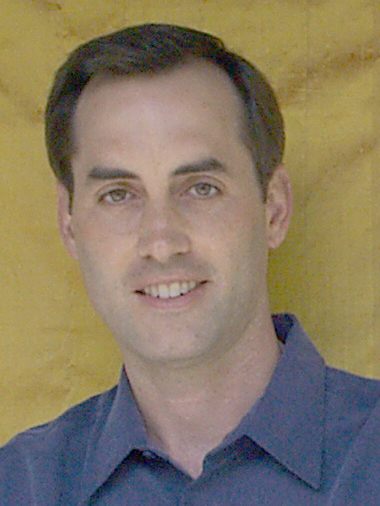
BJ Fogg works at Sun Microsystems, where he directs the "Sun
Summits on the Future," a series of workshops that explores
the implications of a networked work for basic human activities
and needs. In addition to his projects at Sun, last fall BJ taught
a Stanford HCI course (CS377) on persuasive computing. As a follow-up
on the course, he now directs a research group in the analysis,
design, and theory of persuasive technologies.
While completing his Ph.D. at Stanford, BJ worked at Interval
Research and at HP Labs. At both companies, he researched and
designed new types of interactive technologies. |
|