CS547 Human-Computer Interaction Seminar  (Seminar on People, Computers, and Design)

Fridays 12:50-2:05 · Gates B01 · Open to the public
Previous | Next
Archive
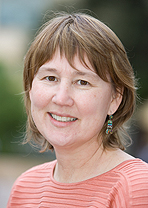
Pam Hinds · Stanford Department of Management Science and Engineering
Deepening Relational Coordination: Why Site Visits Matter in Global Work
April 22, 2011

You need Flash player 8+ and JavaScript enabled to view this video.
Distributed work is often characterized by long periods of time working apart, punctuated by face-to-face meetings and site visits. Little research, however, has explored the interplay between distant work and these collocated intervals. In an ethnographic study of 143 members of 12 software development teams, we explore the interplay between site visits and distant work and its effects on interpersonal dynamics and the coordination of work. Our findings suggest that site visits promote situated knowing who -- knowledge about distant colleagues that is situated in context and intertwined with practice -- that deepen relational coordination between co-workers. During site visits, people observed and interacted with their distant colleagues in these colleagues' context, thus gaining a deeper understanding of their behavior within the social and physical context in which they were situated. As they interacted, they reconstituted collaborative practices which further enabled knowing who and promoted relational coordination even after returning home, as evidenced by more frequent communication, responsiveness, problem-solving communication, mutual respect, and disclosure of personal information among distant coworkers. This work contributes to understanding how relational coordination is accomplished in global work and points toward opportunities for new technological affordances to support distant collaboration.


Professor Hinds studies the effect of technology on groups and the interplay between information technologies, information sharing, and human judgment. She is currently conducting research on the affect of remote and distributed work on employees' shared understanding of work, the affect of intellectual property agreements on information sharing, and the limitations of expertise. She has conducted extensive research on the dynamics of geographically distributed work teams, particularly those spanning national boundaries. She explores issues of culture, language, identity, conflict, and the role of site visits in promoting knowledge sharing and collaboration. She also conducts research on professional service robots in the work environment, examining how people make sense of them and how they affect work practices.