Immerse Yourself In a New Language and Culture!

Completely understanding a new language is a difficult task, but we are here to help you develop fluency through VR immersion!

Learn more than basic vocabulary by being completely immersed in the language you are interested in. Through virtual reality, you will be transported to different countries and be able to dive deeper into the culture, people, and language!


Travel to Different Countries

Complete Real-World Activities

Converse with Native Speakers

Respectfully Appreciate Cultures

Our Design Thinking Process

Needfinding

Through four initial interviews, we hoped to learn more about how and why people learn multiple languages. From our participants, we learned more about how people felt they needed more intrinsic motivation in their learning, learned new languages out of necessity, and prioritized the human-to-human aspects of langage learning.
POVs

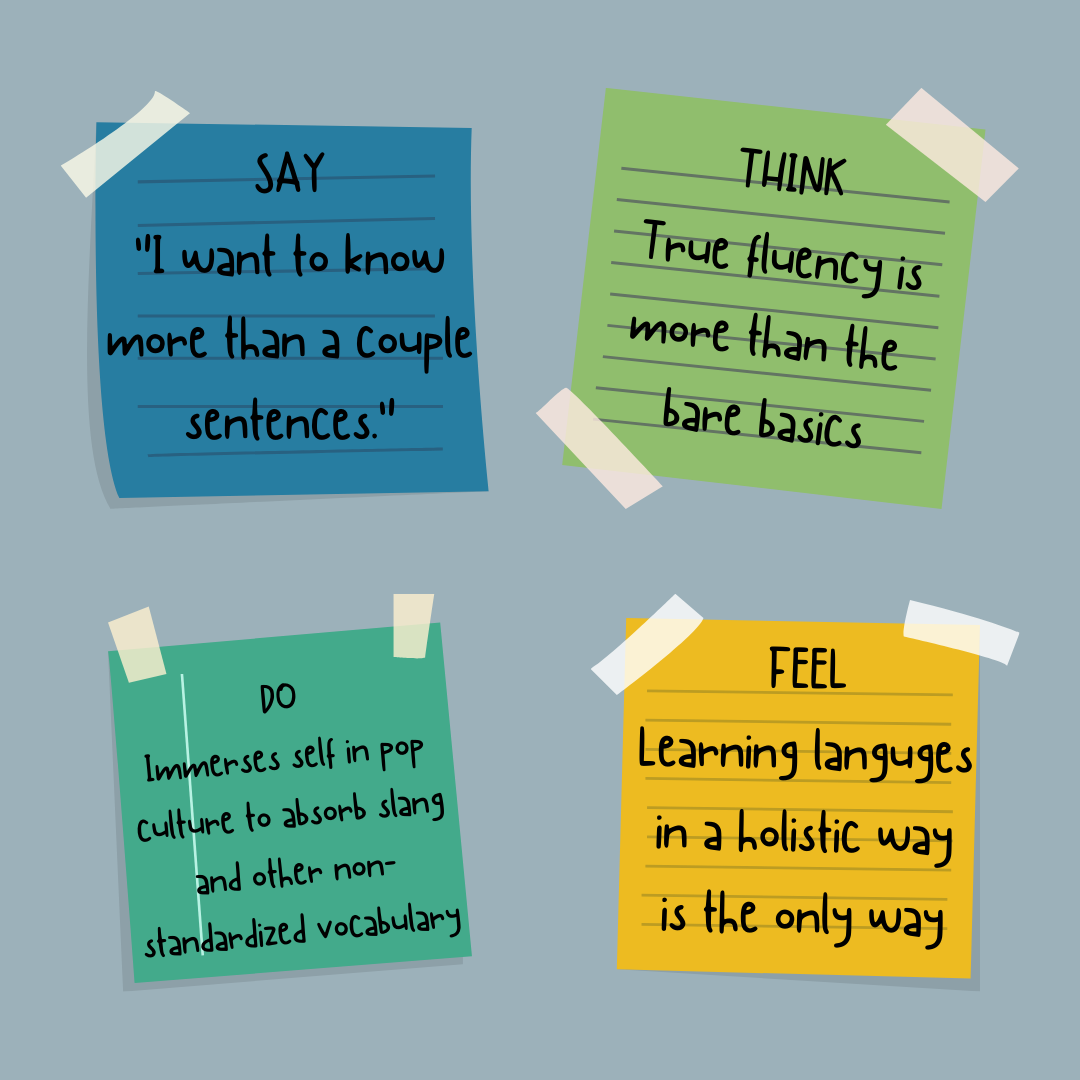
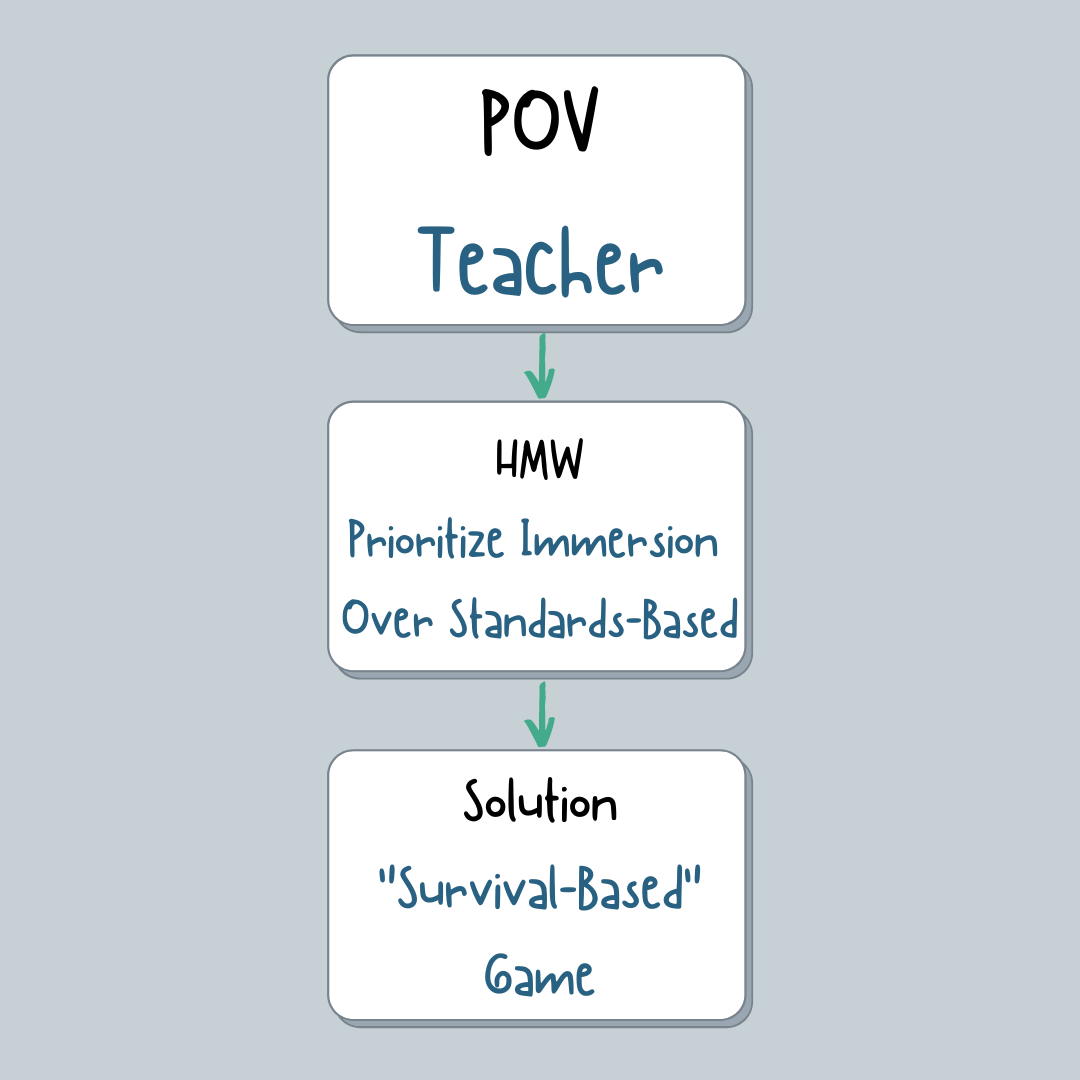
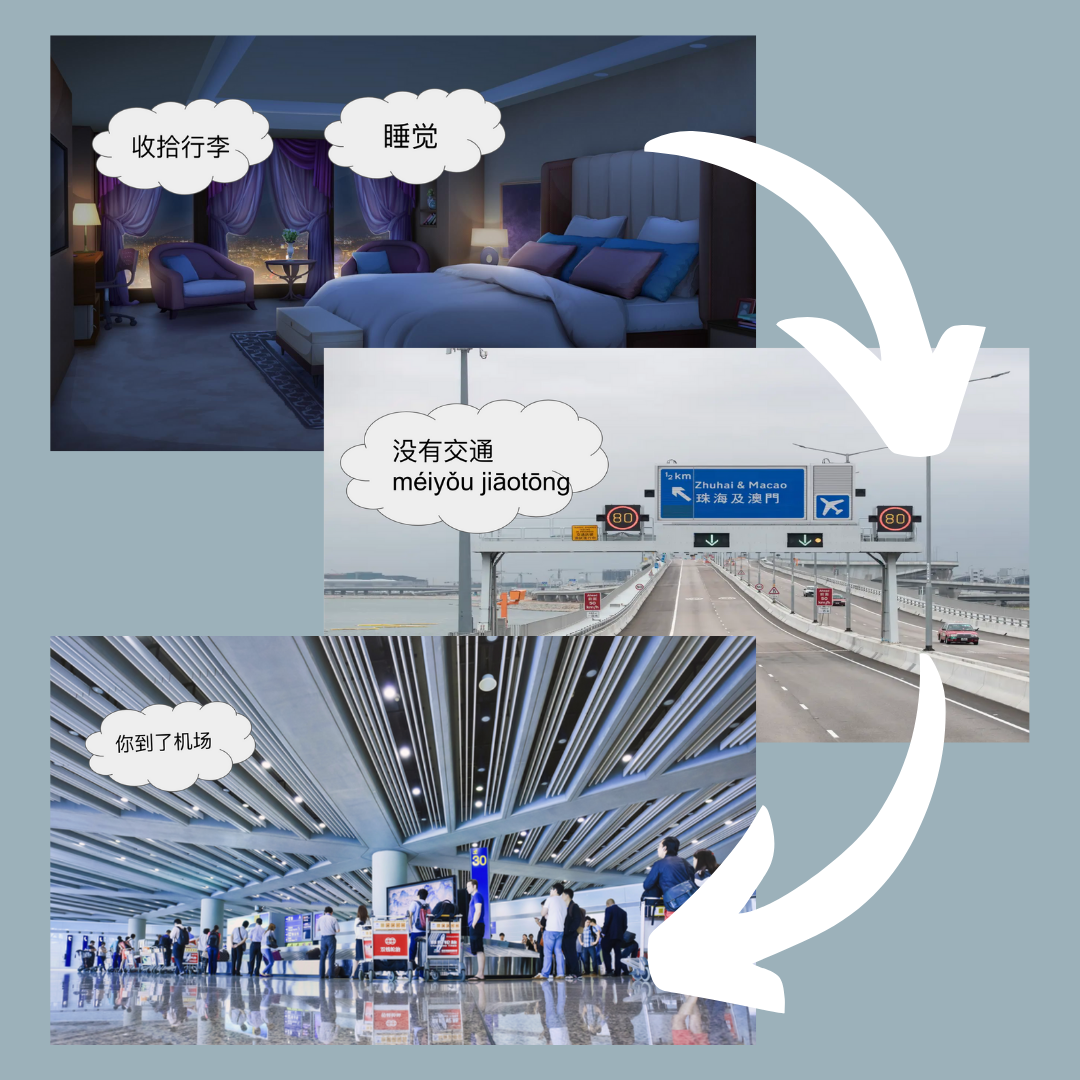
During our second round of interviews, we interviewed four more people, including two more language educators and a speaker of indigenous language (South Tiguan). From there interviews, we developed detailed POV statements that allowed us to understand their needs better, with us finally finding a signature need: immersion as the main form of language learning.


Experience Prototypes

After we developed our users' needs, we created three different prototypes that centered around immersion: a Choose-Your-Own Adventure Immersion Game, a Cooking Immersion Game, and a Karaoke Immersion Game. We had four different people text these experience prototypes to learn more about how they interacted with the different learning experiences.


Concept Video

Once we saw that a completely immersive experience that mimicked real life activities is what people enjoyed, we tried to showcase that though our concept video. In this video, our main actor is able to learn Spanish just in time for his final, through the help of our LangVRse Assistant.


Low-Fi Prototype & Pilot Usability Testing

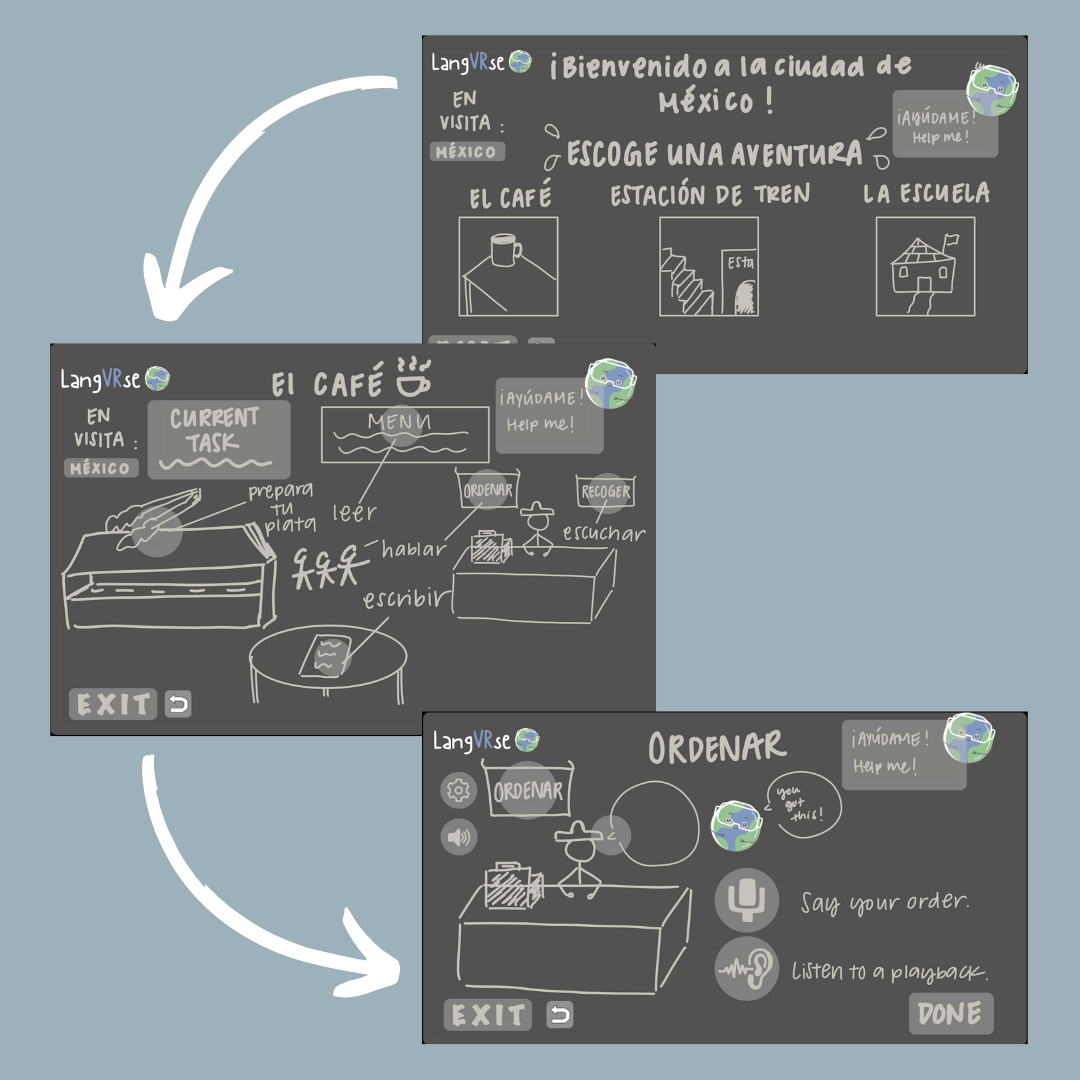
After working through over twenty concept sketches and multiple rounds of design ideas, we created our first Low-Fi sketch. We then uploaded the sketch to Figma and created our first prototype that we tested with three different users of varying ages and language experience. We also created a detailed report of what we had learned so far.


Mid-Fi Prototype

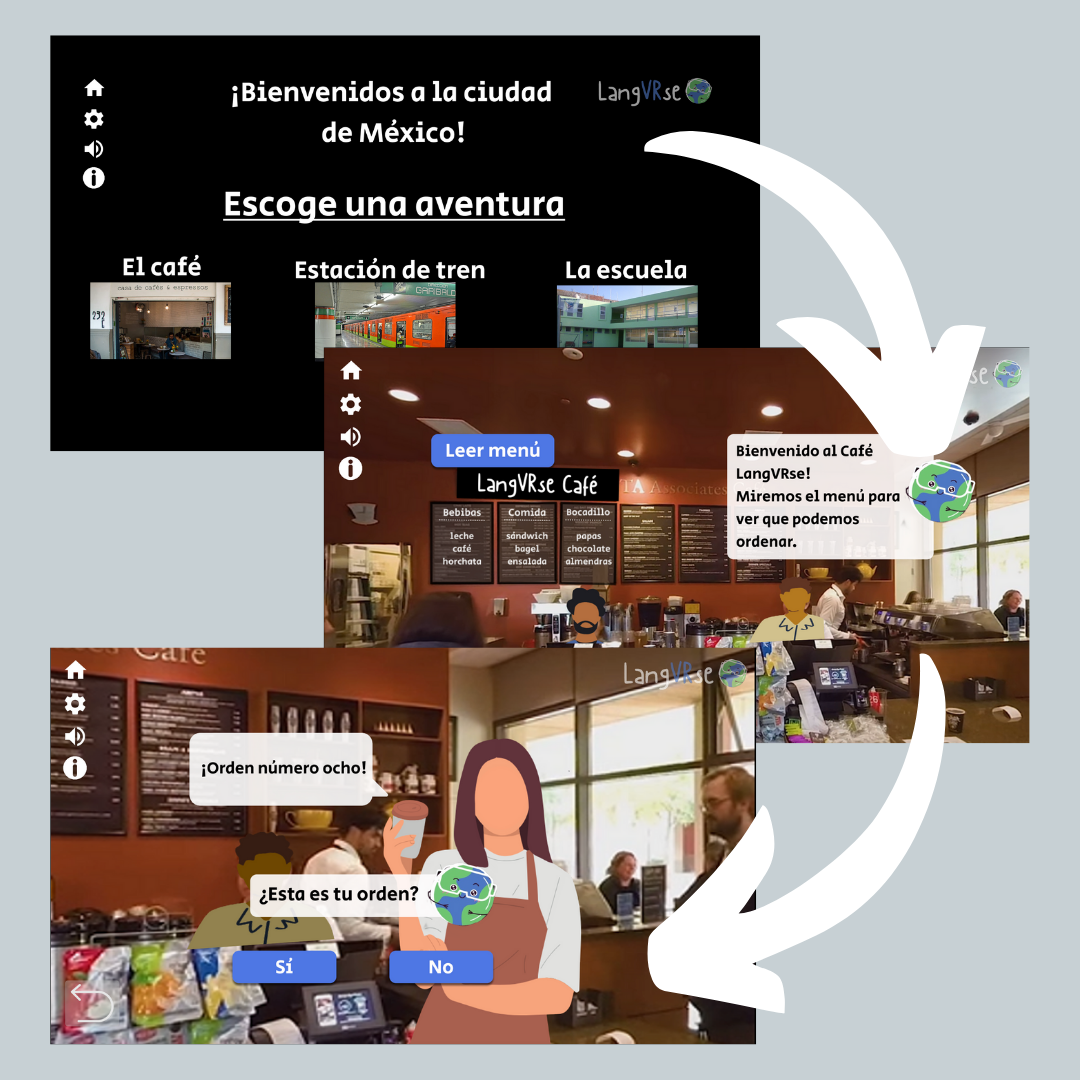
Our medium-fidelity prototype expands on our low-fidelity prototype by focusing more on VR simulation, creating a more sequential order of tasks, and expanding on other ideas and challenges we saw in our previous iterations.


Heuristic Evaluations

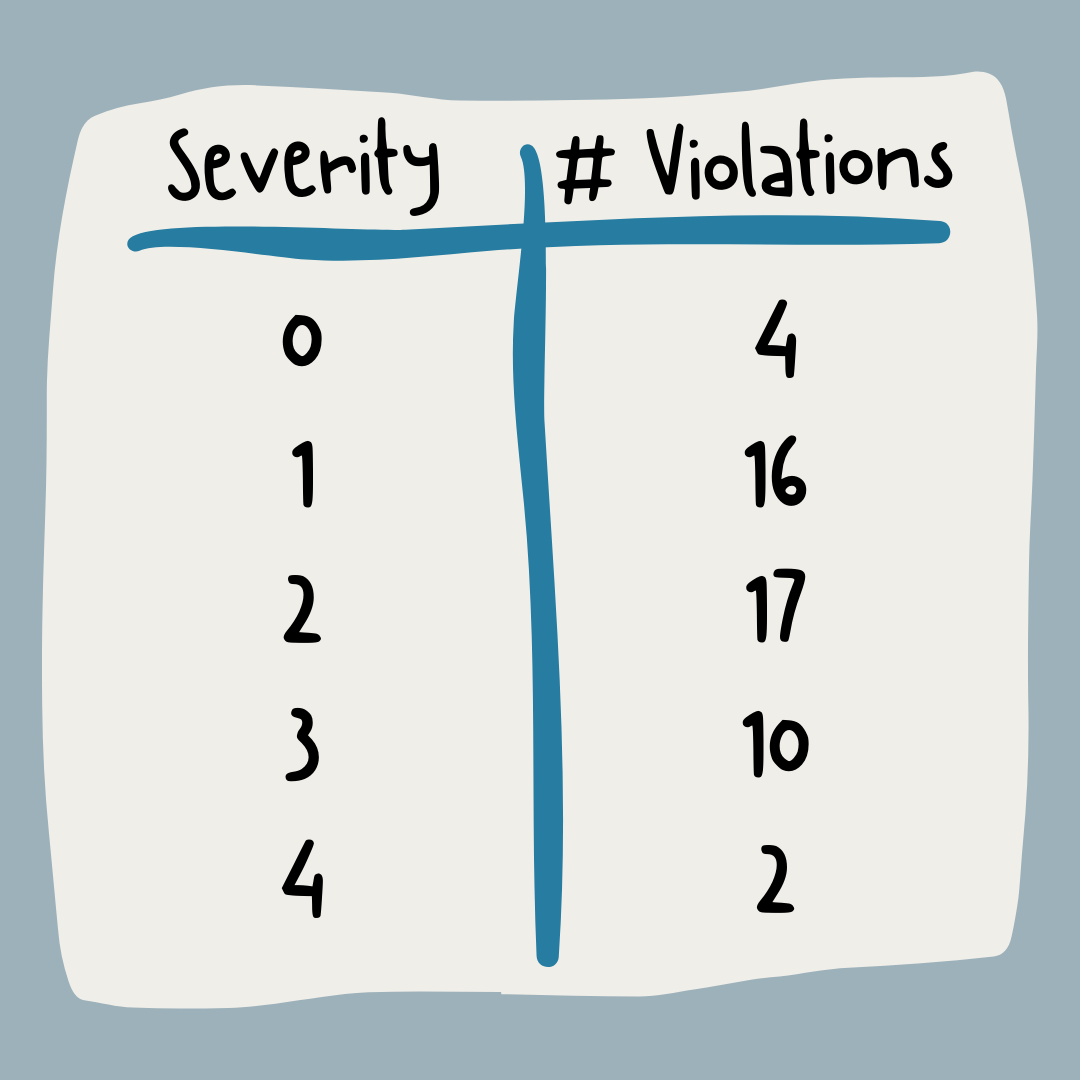
After we had completed our Mid-Fi Prototype, we were able to get great feedback from our classmates in the form of a heuristic evaluation. The full details of our evaluation helped us prioritize and understand what we could work on to take our project to the next level!


Poster and Pitch Slide

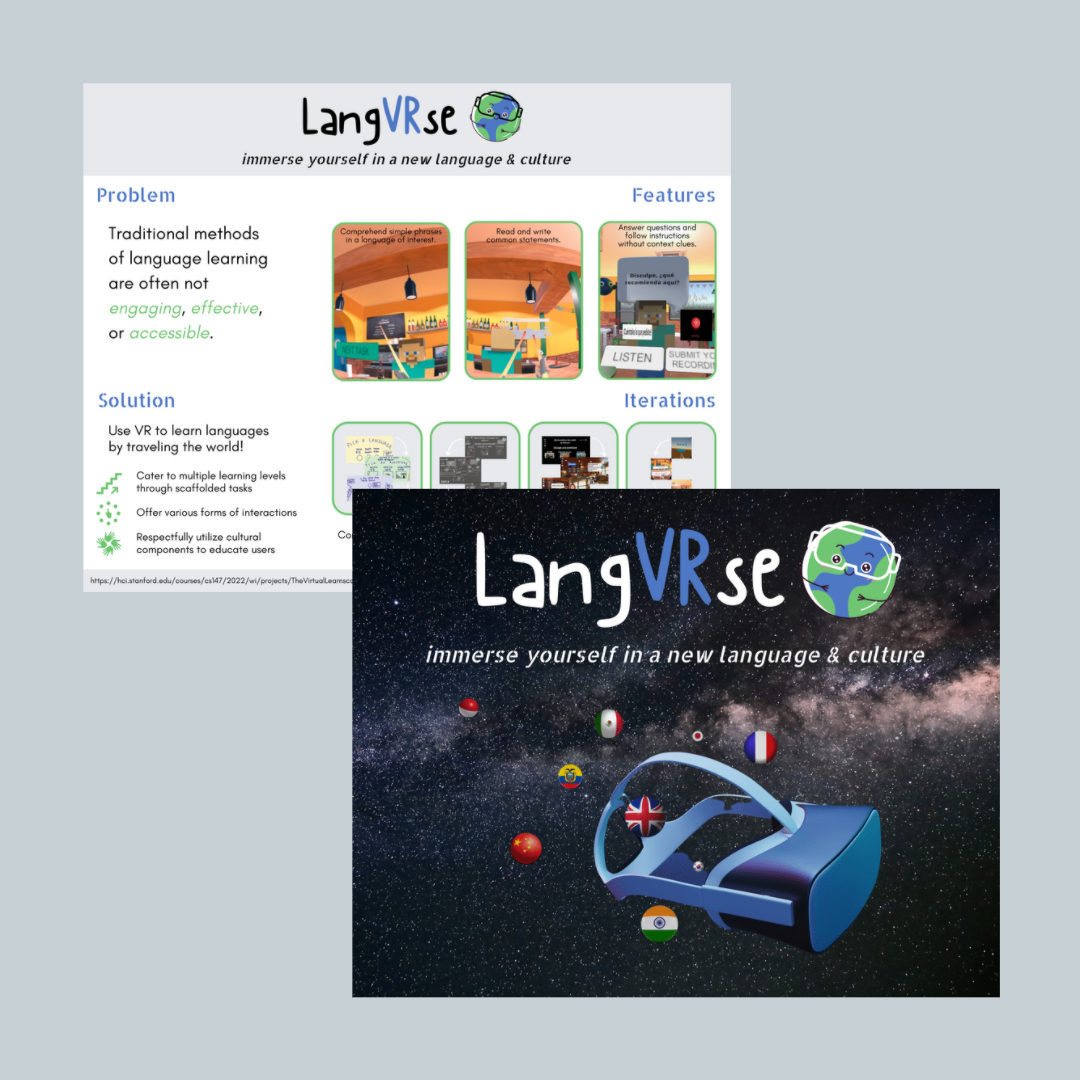
We showcased our final results at the final Project Expo with the following poster, as well as presented our project with our 30-second pitch and pitch slide.

High-Fid Prototype Demo

We created our high-fidelity protoype in Unity, utilizing asset libraries, Blender, and Oculus headsets to bring our vision to life! Watch the video below to learn more or download it and play yourself!

Our Team

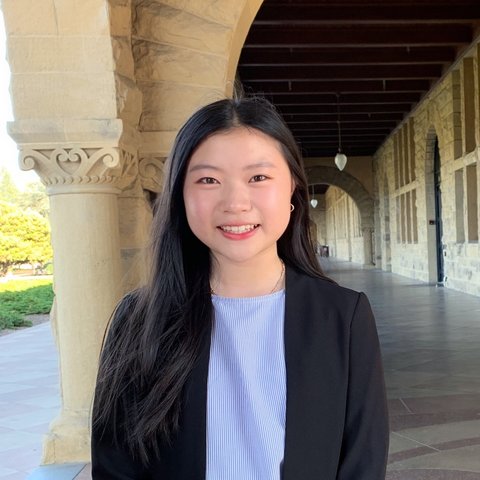
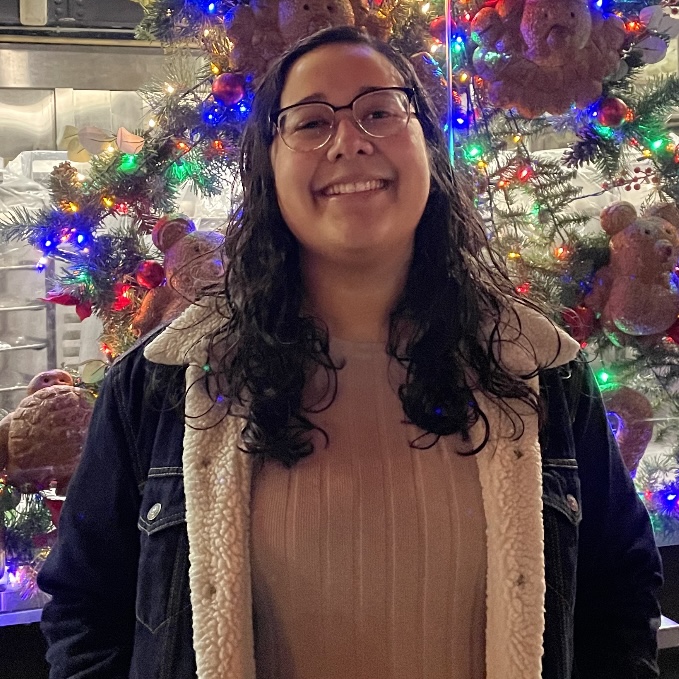
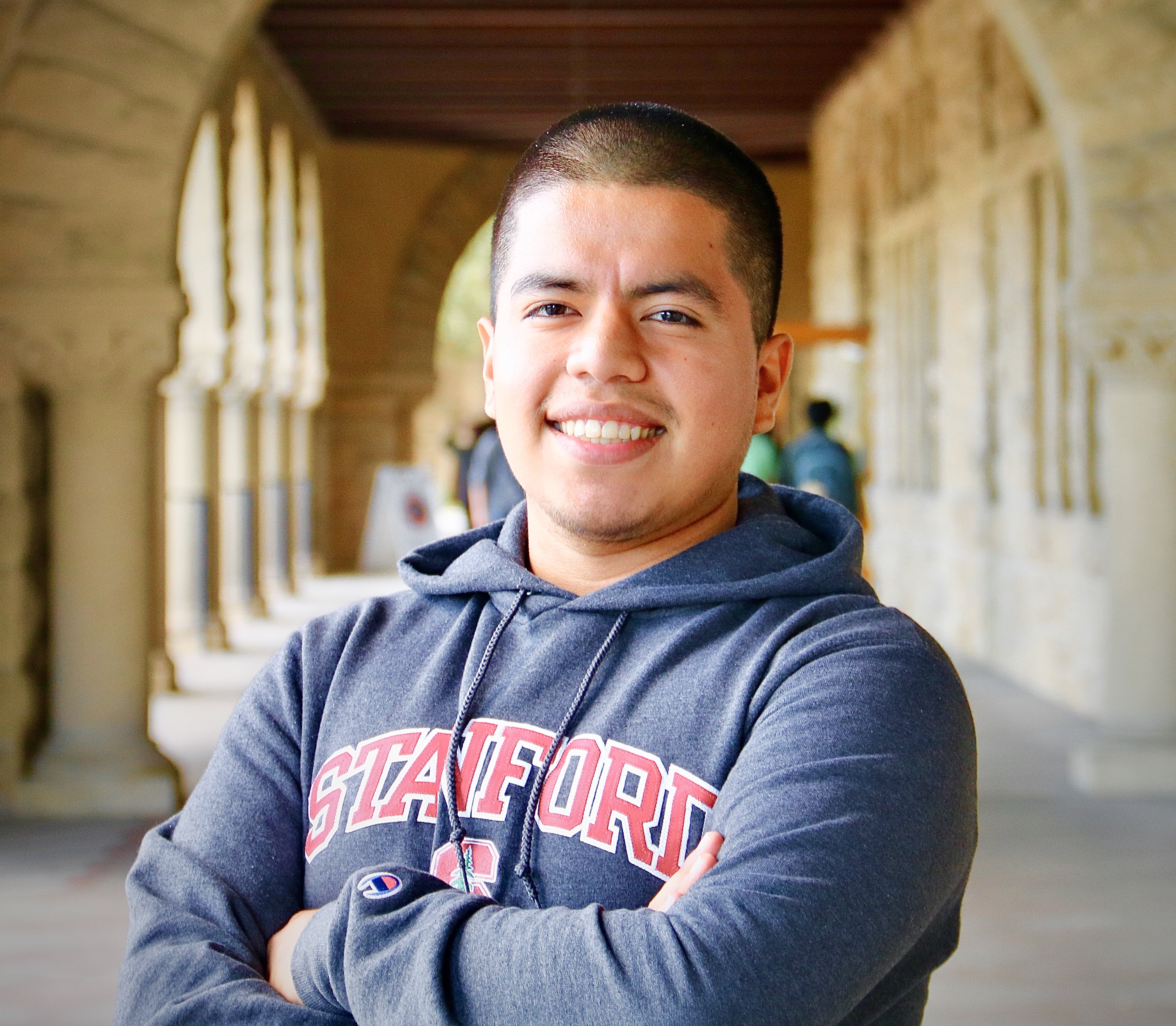
Our team consists of four Stanford juniors, all studying Computer Science but with different skills and personal interests.

Amanda Huynh

Designer: Prototype, UI Sketches

Developer: Figma, VR

Anna Chang

Designer: Graphics, Multimedia Objects

Developer: Figma

Selaine Rodriguez

Designer: Website, Branding

Developer: Website, Figma

Wilmer Zuna Largo

Designer: Prototype

Developer: VR, Website, Figma