Needfinding
We interviewed key stakeholders in post-secondary CS education in order to identify needs. We learned a lot from these interviews. Most notably, that students found it hard to collaborate in a mututally beneficial manner.
We interviewed key stakeholders in post-secondary CS education in order to identify needs. We learned a lot from these interviews. Most notably, that students found it hard to collaborate in a mututally beneficial manner.
We met with more stakeholders to develop some key POVs. For each POV, we generated HMWs which ultimately led us to our experience prototypes.
Check out our concept video. After the experience prototype, we identified three key tasks and demonstrated how out platform can be used for each of those tasks.
Check out our low fidelity prototype on Balsamiq. We tested out our prototype on students with varying levels of CS education and found many areas upon which we can improve.
After iterating on low-fi prototype, we created a medium-fi prototype on Figma to test out each of the three tasks.
We were fortunate enough to get "outsider" feedback on our medium-fi prototype in the form of an heurestic evaluation.
We build a hi-fidelity prototype of CoCode. Checkout more about it below.
We made a poster with information about our idea.
Together we built this
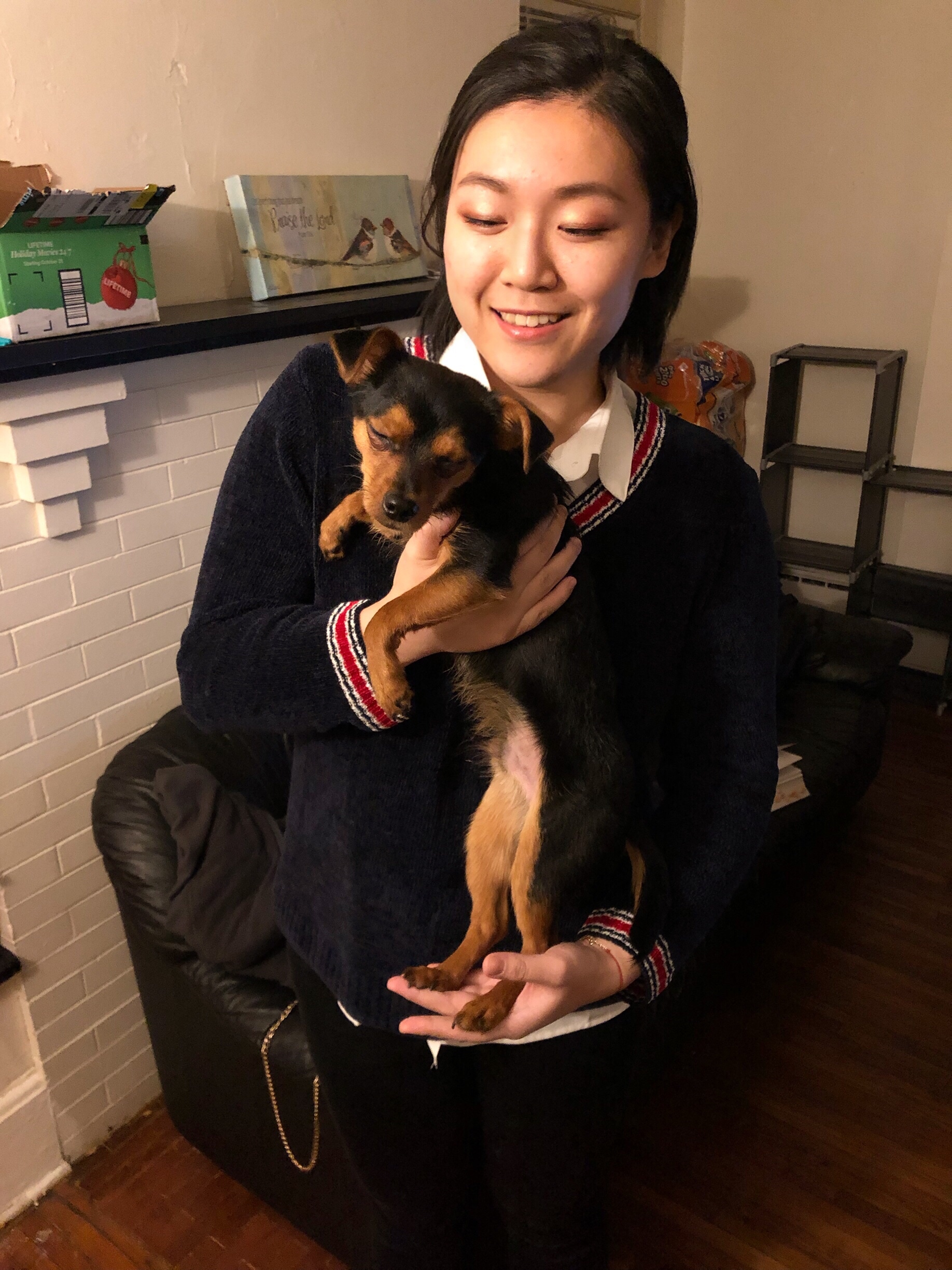
MS in MS&E, Stanford 2021
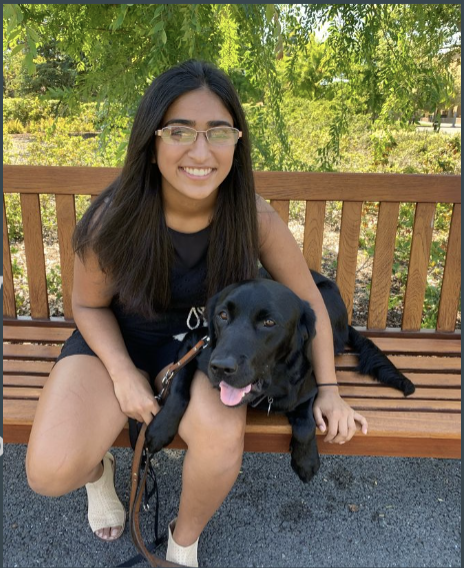
BS in Computer Science, Stanford 2022
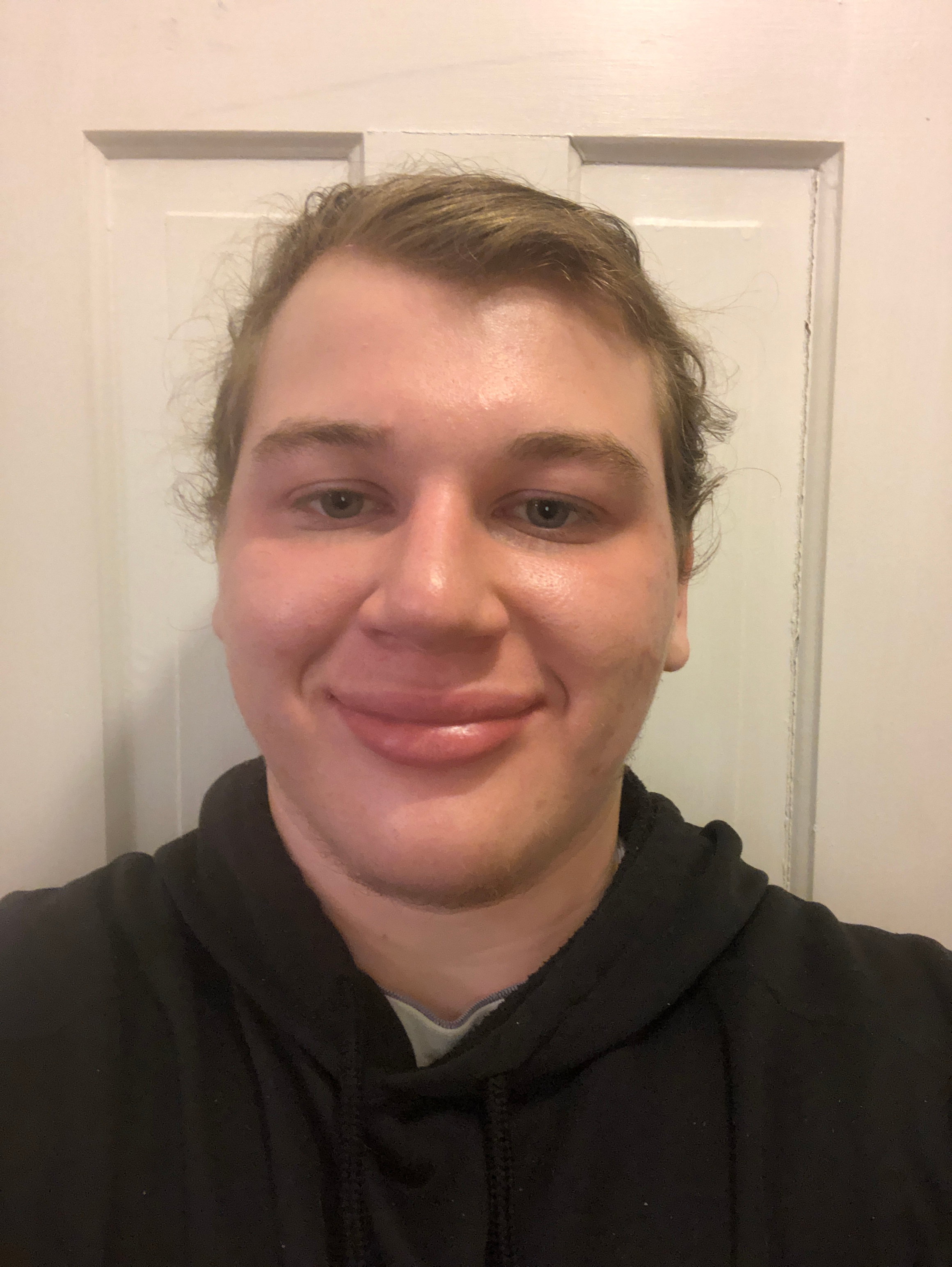
BS in Computer Science, Stanford 2023
BS and MS in Computer Science, Stanford 2022
In the first leg of our design journey, our team quickly discovered a shared passion for the field of post-secondary computer science education, given our own struggles and successes, and decided to narrow our problem domain scope to focus on this aspect of educational technology. We designed and conducted four needfinding interviews over the week with students who spanned the country and a spectrum of experiences with computer science, and we leveraged these conversations to develop empathy maps and key insights that we could expand further in the coming weeks.
After our initial needfinding interviews, we focused on expanding our user research, framing our refined problem space, brainstorming new ideas for how we might solve our design challenge, and finally testing the underlying assumptions of our solutions. We started the week speaking with three computer science educators and an additional student that helped us deepenour understanding of needs in the community. We then spent time as a team reflecting and ideating on these findings to design and execute three experience prototypes surrounding collaboration. Our second deliverable showcases these steps forward.
From our experience prototype interview results, we arrived a three main tasks that we highlight in this concept video: learning anonymously, collaborating with peers, and integrating manageable integration into a class.Our goal with this assignment was to show the power that our platform holds to reduce imposter syndrome and enhance a sense of community while learning. Check it out!
Our team was excited to dive into the prototyping stage of the design processto explore different user interfaces for a collaborative learning tool. We sketched out a variety of ideas, including models similar to Netflix, Prezi, and even virtual reality games. We ultimately picked one sketch to develop further and conduct user testing on. Here were our findings.
In this stage, we brought COCODE to Figma, where we built out our medium fidelity prototype. We first were able to utilize the user pain points observed in the low fidelity testing to refine our design. Then, we shifted our attention to esthetics and interactive form fields to encourage intuitive and enjoyable use of our user interface. Below is the Figma link that takes you to this work.
This document details heuristic violations that other members in our studio found when interacting with our medium fidelity prototype of COCODE. We were so grateful for the time and effort that was devoted to reviewing our work, and we utilized the expert feedback we received before moving into our last stage of development for this class.
Our team is thrilled to share the culmination of our work this quarter with our high fidelity prototype! COCODE is an web tool, where computer science students can goto learn from peers and resources, collaborate with others in their classes, and eventeach to test their mastery. We strive to create a space where students can eliminate the need to compete, feel judged, or force one type of collaboration. Instead, we want students to work with their peers for their particular needs and on their own terms.
Here you can find an overview slide of COCODE and a poster detailing our work that we will be using in the project fair at the end of the quarter.